The modern gifting process is a strategic approach that combines year-round recipient insight tracking with thoughtful, personalized gift selection to make every celebration more meaningful. Whether you are planning a wedding, birthday, or baby shower, the difference between a forgettable gift and one that genuinely resonates comes down to preparation and intention. This guide covers the tools, step-by-step methods, current etiquette, and common pitfalls that define gifting done well in 2026. Digital gifting solutions, personalized gifting trends, and experiential options all play a role in this process.
What is the modern gifting process guide approach?
The foundation of modern gifting is a simple habit: tracking recipient preferences throughout the year, not just the week before an event. Keeping a private note per recipient with one or two key ideas removes last-minute stress and produces far better gift matches. That note might capture a passing comment about a hobby, a wishlist item spotted on social media, or a need mentioned in conversation.
Three types of information are worth collecting for each recipient:
- Preferences and interests: hobbies, favorite brands, foods, or activities they mention regularly
- Stated needs or wishes: items they say they want or need but have not bought for themselves
- Occasion context: the specific event, its tone, and any cultural or family expectations around gifting
Setting a budget early is equally important. Budget clarity prevents decision fatigue when you sit down to shop. Define the occasion type, the relationship level, and a realistic spending range before you start browsing.
| Tool type | Best use | Example |
|---|---|---|
| Notes app | Quick capture after conversations | Apple Notes, Google Keep |
| Shared wish list | Recipient-curated preferences | Public registry or shared list |
| Digital cash registry | Flexible contributions for big occasions | Getzelo event page |
| Calendar reminder | Trigger review before key dates | Built into any calendar app |

Pro Tip: Set a recurring calendar reminder 6 weeks before each major occasion. That window gives you time to order, personalize, and ship without paying rush fees.
Tracking gift ideas after a conversation takes less than 5 minutes. That small habit compounds into a year’s worth of genuinely useful gift intelligence.
How do you execute the gifting process step by step?
A clear process prevents the two most common gifting failures: buying something generic because you ran out of time, and overspending because you panicked. The following steps apply to weddings, birthdays, baby showers, and any other milestone occasion.
-
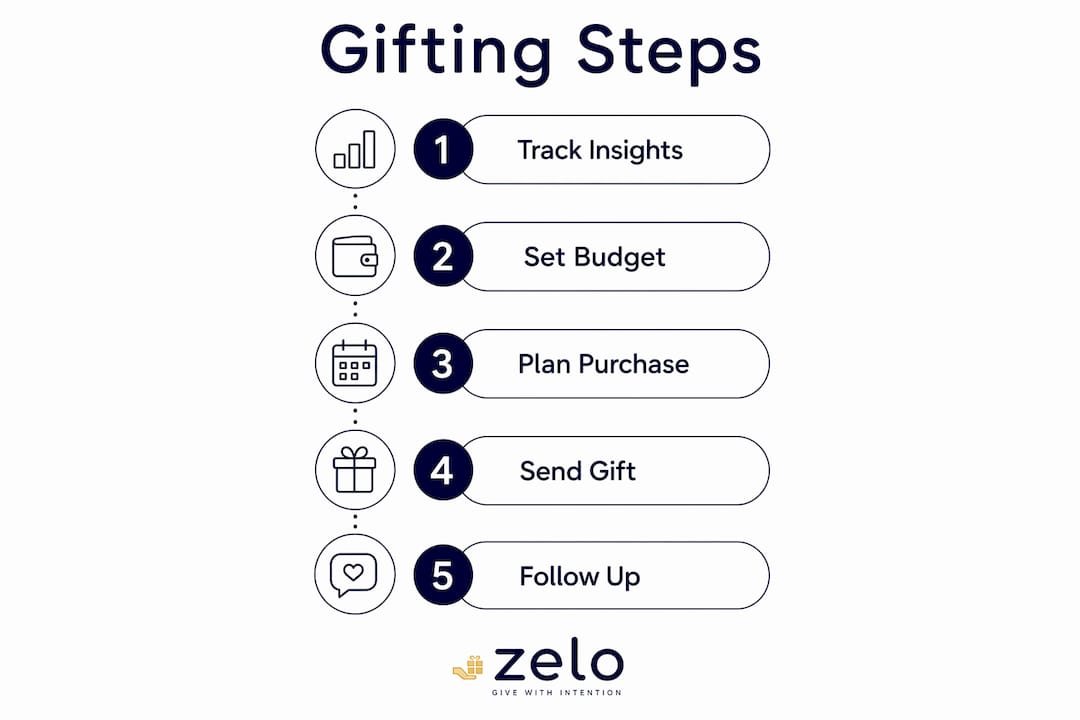
Review your notes before shopping. Open your recipient notes and read everything you have collected. Look for patterns, not just single items. A person who mentions hiking three times probably values outdoor experiences more than a gift card to a restaurant.
-
Confirm the occasion specifics and your budget. Nail down the date, the setting, and whether the event has a registry. A wedding gifting checklist approach works well here: list what you know, identify gaps, and fill them before you commit to a purchase.
-
Choose your gift category. Three categories cover most modern gifting situations. First, requested gifts from a registry or wish list. Recipients value requested gifts more than surprise gifts in most cases. Second, experiential gifts when no registry exists. Experiences yield lasting happiness and relationship strength. Third, thoughtful physical presents anchored to a specific personal detail.
-
Add a personal touch. A handwritten note, a photo, or a short voice message transforms any gift. Digital gifts range from e-gift cards to subscriptions and experiences, and they land with far more impact when paired with personal context. Never send a digital gift without a message that explains why you chose it.
-
Finalize delivery and timing. Confirm shipping timelines, digital delivery windows, or in-person presentation logistics. For group gifts, coordinate contributions at least two weeks before the event to avoid last-minute gaps.
Pro Tip: Follow up after the gift is received. A short message asking how they are enjoying it shows genuine care and strengthens the relationship far beyond the gift itself.
The experience gift registry model fits naturally into step three. When a recipient has listed experiences they want, contributing to one is both requested and meaningful.
What are modern gifting trends and etiquette to keep in mind?
Modern gifting etiquette has shifted away from the idea that a bigger or more expensive gift signals more care. Psychological research shows that givers consistently overvalue expensive or flashy gifts, while recipients prefer thoughtful items that match their identity and actual needs. That gap between giver perception and recipient experience is the central problem that modern gifting habits solve.
Two frameworks help close that gap consistently.
The Specificity Rule requires that every gift include at least one personal anchor. Adding one specific detail transforms a generic gift into a personal narrative. A candle becomes meaningful when paired with a note referencing the recipient’s favorite season. A cash contribution becomes memorable when the event page explains exactly what it supports.
The Rule of Three structures gift bundles around an anchor item, a supporting item, and an emotional detail. This structure maximizes impact and keeps gifts curated rather than cluttered. A baby shower gift, for example, might include a practical item the parents requested, a small personal keepsake, and a handwritten card referencing a shared memory.
“Technology should enhance rather than replace human connection in gifting. Personalized touches remain essential, and automated or templated digital gifts risk feeling impersonal without customized context.”
Modern gifting do’s and don’ts:
- Do prioritize registry or wish list items when they exist
- Do pair every digital gift with a personal message, photo, or voice note
- Do focus on long-term usefulness over momentary surprise
- Do use eco-friendly gift wrapping techniques: recycled paper, fabric wraps, or digital delivery
- Don’t over-package a gift to make it look more impressive than it is
- Don’t send templated digital gifts without customization
- Don’t choose a gift based on price alone
- Don’t wait until the last week before an occasion to start thinking
The shift toward meaningful flexibility in gifting reflects a broader cultural change. Recipients increasingly prefer contributions toward real goals over physical objects that may not fit their lives.
How do you troubleshoot common gifting mistakes?
Last-minute panic is the most common gifting problem, and year-round tracking solves it directly. Successful gift-givers develop a habit of adding passing mentions of needs and interests to private recipient notes throughout the year. When an occasion arrives, the research is already done.
Common mistakes and how to fix them:
- Generic gifts: Apply the Specificity Rule. If you cannot name one personal detail that connects the gift to the recipient, choose something else.
- Budget anxiety: Set spending limits by relationship tier at the start of each year. A close friend or sibling might warrant a different range than a coworker or acquaintance.
- Impersonal digital gifts: Always add a personal message. A cash gift registry with a video message or personal note attached lands far better than a bare e-gift card.
- Ignoring recipient feedback: When someone mentions they did not use a gift you gave, treat that as data. Update your notes and adjust your approach for the next occasion.
- Over-gifting: More items do not equal more meaning. The Rule of Three keeps bundles focused and prevents the gift from feeling like a clearance haul.
Pro Tip: If you genuinely do not know what to give, ask. A direct question like “Is there anything specific you need for the baby shower?” is far better than a generic gift. Recipients appreciate the effort to get it right.
Focusing on long-term usefulness and relationship building leads to deeper gift impact than momentary surprise. That principle applies whether you are giving a physical present, an experience, or a cash contribution.
Key Takeaways
The most effective modern gifting process combines year-round recipient tracking, the Specificity Rule, and digital personalization to produce gifts that genuinely resonate at every special occasion.
| Point | Details |
|---|---|
| Track year-round | Keep a private note per recipient and update it after conversations throughout the year. |
| Prioritize requested gifts | Recipients value registry or wish list items more than surprise gifts in most situations. |
| Apply the Specificity Rule | Anchor every gift to one personal detail to prevent generic, forgettable choices. |
| Personalize digital gifts | Always pair e-gifts, cash contributions, or subscriptions with a personal message or photo. |
| Use the Rule of Three | Structure gift bundles with an anchor item, a supporting item, and one emotional detail. |
What I have learned from watching people give gifts badly
I have spent years watching people stress over gifts they could have nailed with ten minutes of preparation spread across twelve months. The pattern is always the same: they wait until the week before, panic, buy something expensive, and wonder why it did not land the way they hoped.
The uncomfortable truth is that gift-giving is a skill, not an instinct. It rewards the people who treat it like an ongoing practice rather than a one-time task. The best gift-givers I know are not the ones with the biggest budgets. They are the ones who actually listen during the year and write things down.
Technology genuinely helps here, but only when it serves the human connection underneath. A cash registry page on Getzelo works beautifully for a wedding or baby shower because it gives guests a clear, personal way to contribute to something real. But the platform does not replace the message you write explaining why you contributed. That message is the gift. The money is just the vehicle.
My strongest advice: stop trying to surprise people with things they did not ask for. The psychology of meaningful gifts is clear. Requested gifts win. Experiences win. Personal context wins. Price rarely wins on its own.
— Rodrigo
How Getzelo makes the modern gifting process easier
Planning a wedding, birthday, or baby shower involves enough moving parts without adding gift logistics to the pile. Getzelo is a cash gift registry platform built for exactly these moments. Hosts create a personalized event page that communicates the purpose of the celebration and lets guests contribute toward real goals, experiences, or specific needs.

Guests contribute through a secure checkout, and hosts receive funds in a flexible, straightforward way. The platform supports every major occasion type, from birthday cash registries to weddings and housewarmings. Personalization features let hosts share their story, set contribution amounts, and communicate directly with guests. For anyone applying the modern gifting process to a special occasion, Getzelo removes the friction from the wish list side of the equation entirely.
FAQ
What is the modern gifting process?
The modern gifting process is a year-round system of tracking recipient preferences and combining them with thoughtful, personalized gift selection for special occasions. It replaces last-minute guessing with consistent preparation and intentional choices.
How do I give more meaningful gifts?
Apply the Specificity Rule: anchor every gift to one personal detail that connects it to the recipient’s identity or a shared memory. Recipients consistently value thoughtful, identity-matched gifts over expensive or generic ones.
Are digital gifts appropriate for weddings and baby showers?
Digital gifts are appropriate when paired with personal context. A cash contribution to a registry, an experience gift, or an e-gift card all work well when accompanied by a personal message explaining the choice.
How does a cash gift registry work for special occasions?
A cash gift registry lets guests contribute money toward goals, experiences, or needs that the host has defined. Platforms like Getzelo allow hosts to create personalized event pages where guests contribute securely and hosts receive funds flexibly.
How early should I start planning a gift for a special occasion?
Start at least six weeks before the occasion. That window allows time to review your recipient notes, choose a gift category, add personalization, and handle shipping or digital delivery without rushing.
Recommended
Enjoyed the article? Share it!