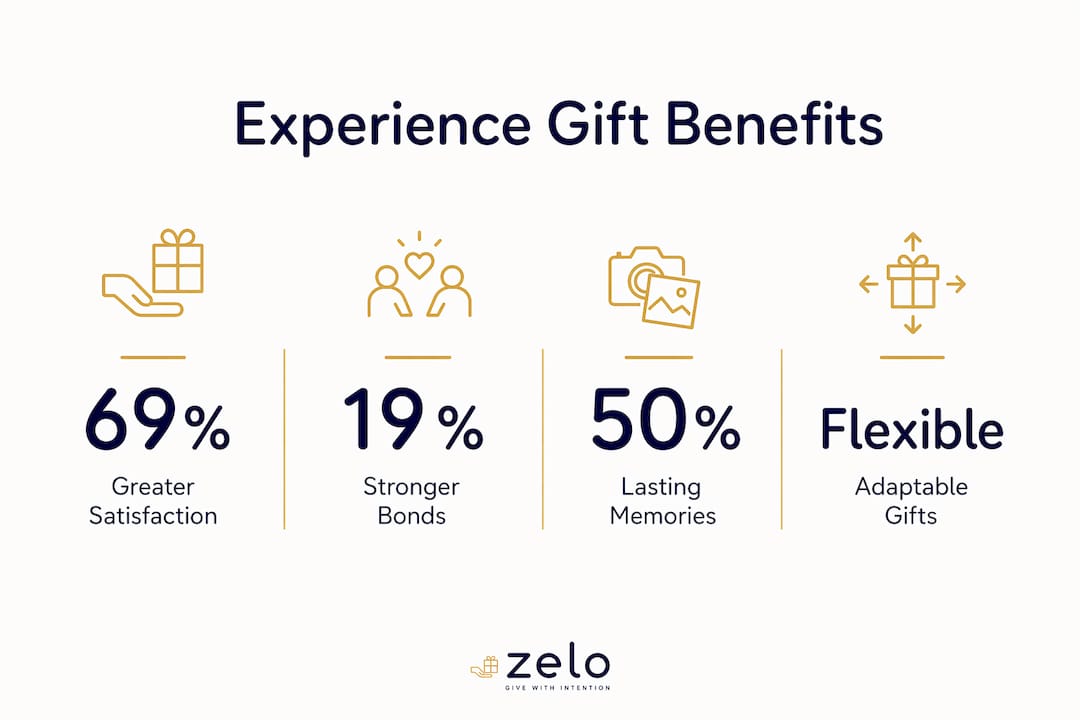
Experience gifting is the practice of giving memorable activities or events instead of physical items, and research shows it produces 25% more lasting satisfaction than material gifts of equal value. That gap exists because experiences integrate into a person’s identity and life story in ways that objects simply cannot. Psychological concepts like hedonic adaptation and rosy retrospection, studied extensively by Cornell University researcher Dr. Thomas Gilovich, explain why a cooking class or a weekend trip stays meaningful long after a new gadget has been forgotten. For anyone choosing a gift for a wedding, birthday, or graduation, understanding why experience gifting matters is the clearest path to giving something that genuinely resonates.
Why experience gifting matters more than physical presents
The core reason experience gifts outperform physical ones comes down to a well-documented psychological process called hedonic adaptation. People adapt quickly to new possessions. A new watch feels exciting for a week, then blends into the background of daily life. Experiences do not follow the same pattern. They are finite, unrepeatable, and stored as memories that the brain tends to improve over time.
Dr. Thomas Gilovich’s research at Cornell University identifies this memory effect as “rosy retrospection.” The mind filters out minor inconveniences and amplifies the positive elements of a past experience. A rainy hiking trip becomes a funny story. A slightly awkward cooking class becomes a cherished memory shared with a friend. Physical gifts rarely benefit from the same mental editing.
Experiences also become part of how people define themselves. Someone who received a pottery workshop as a gift does not just remember the event. They may identify as someone who has tried pottery, which adds texture to their personal story. Dr. Gilovich’s work consistently shows that experiences form personal identity in ways that material possessions do not.
The practical implication is direct. When you give an experience, you are not giving a thing. You are giving a chapter in someone’s life story.
Key psychological advantages of experience gifts include:
- Resistance to hedonic adaptation: Experiences are not owned and used daily, so they never become invisible background noise.
- Memory enhancement over time: Rosy retrospection means the gift actually improves in the recipient’s mind as months pass.
- Identity integration: Experiences become part of who the recipient is, not just what they own.
- Anticipation value: The happiness from an experience gift begins before the event itself, during the waiting period.
“We are the sum of our experiences, not our possessions.” This principle, central to Dr. Gilovich’s body of work, captures why experiential gifting consistently outperforms material gifting in long-term satisfaction studies.
How do experience gifts strengthen social bonds?
Shared experiences create what social scientists call social capital, the reservoir of trust and connection that holds relationships together. A physical gift is owned by one person. An experience is often shared by two or more, which multiplies its relational value. Relationship research describes shared experiences as “gifts to partnerships,” meaning they strengthen bonds in ways that individual material gifts cannot replicate.
Consider the difference between giving a friend a new book versus taking them to a live concert. The book is theirs alone. The concert becomes a shared reference point, a memory you both carry. That shared memory becomes conversational currency, something you laugh about or recall together for years.
The social dimension of experience gifting shows up clearly in group settings. A birthday dinner, a group cooking class, or a weekend trip funded by multiple contributors creates a collective memory for everyone involved. The gift giver becomes associated with that positive shared moment, which deepens the relationship on both sides.
Practical examples of experience gifts that build social bonds:
- Shared meals at a new restaurant: Low barrier, high connection. The conversation and setting create a memory tied to the relationship.
- Classes taken together: A pottery, painting, or dance class gives both giver and recipient a new skill and a shared story.
- Travel experiences: A weekend trip or day excursion creates the richest shared memories, especially when planned around the recipient’s interests.
- Live events: Concerts, theater performances, or sporting events generate immediate shared emotion, which research links to stronger relationship satisfaction.
- Wellness experiences: Spa days or yoga retreats, especially when attended together, combine relaxation with quality time.
Pro Tip: When giving a shared experience, frame the invitation as part of the gift. A handwritten note that says “I want to do this with you” signals intentionality and makes the social dimension explicit.
The psychology of meaningful gifts consistently points to shared experience as the most reliable way to deepen a relationship through giving.
Practical tips for giving experience gifts well
Choosing an experience gift is only half the work. How you present and structure it determines whether it lands as thoughtful or falls flat. The most common mistake is selecting an experience the giver would enjoy rather than one tailored to the recipient.
Flexibility is the single most important factor in experience gift satisfaction. Flexible gifting models that allow recipients to choose their timing or specific activity significantly boost satisfaction and prevent scheduling conflicts. Giving someone a fixed reservation for a date they cannot attend turns a thoughtful gift into a logistical problem.
The anticipation phase of an experience gift is an often overlooked source of happiness. Research shows that anticipation can generate more happiness than the event itself. Giving an experience well in advance, rather than at the last minute, extends the total joy the recipient feels. A gift announced two months before a birthday gives the recipient weeks of pleasant anticipation.
Presentation matters more than most givers realize. A gift that exists only as a verbal promise feels insubstantial. Productizing the experience with a handwritten note, a printed itinerary, or a small symbolic item tied to the activity makes it feel real and considered. A cooking class gift paired with a handwritten recipe card, for example, signals that the giver thought carefully about the choice.
Key best practices for experience gifting:
- Match the experience to the recipient’s interests, not your own. An unasked-for fitness class can feel like a comment rather than a gift.
- Build in flexibility on timing and format so the recipient can redeem the experience when it suits them.
- Give it early to maximize the anticipation phase and avoid last-minute pressure.
- Add a physical reveal such as a note, a small prop, or a printed card to make the gift feel tangible at the moment of giving.
- Confirm logistics in advance so the recipient does not have to manage details themselves.
Pro Tip: For group experience gifts, designate one person to handle all logistics. The recipient should receive the experience, not a coordination task.
Experience gifts vs. gift cards and traditional presents
Experience gifts, gift cards, and physical presents each serve different purposes, but the data favors experiences for meaningful occasions. Up to 19% of gift card value goes unredeemed. That means nearly one in five gift cards ends up as wasted money, with no memory or connection created for either party.
Physical gifts carry their own costs beyond price. They depreciate, take up space, and often end up as clutter or waste. The environmental impact of unwanted physical gifts, from packaging to disposal, is a growing concern. Experiences generate no physical waste and leave no clutter.
The table below summarizes the key differences across the three gifting formats.
| Factor | Experience gifts | Gift cards | Physical gifts |
|---|---|---|---|
| Lasting satisfaction | High, grows over time | Low to moderate | Moderate, declines quickly |
| Relationship impact | Strong, especially when shared | Minimal | Low to moderate |
| Environmental impact | None | Minimal | Moderate to high |
| Flexibility | High with good planning | High | Low |
| Presentation complexity | Moderate | Low | Low |
| Risk of going unused | Low | Up to 19% unredeemed | Low |
Experience gifts do have real challenges. They require more thought and planning than buying a physical item. Mistargeted experiences, such as an adventure activity for someone who prefers quiet evenings, can miss entirely. The future of gifting trends points toward cash contributions that fund experiences as a solution to this problem. Cash gifting lets recipients choose the experience that fits them best, combining the flexibility of a gift card with the intentionality of an experience gift.
Key Takeaways
Experience gifts consistently outperform physical gifts and gift cards in lasting satisfaction, relationship impact, and emotional meaning because they integrate into personal identity and shared memory rather than depreciating over time.
| Point | Details |
|---|---|
| Experiences resist hedonic adaptation | Unlike objects, experiences improve in memory over time through rosy retrospection. |
| Shared experiences build social capital | Activities done together create lasting relational bonds that individual gifts cannot match. |
| Anticipation adds happiness | Giving an experience well in advance extends total joy through the anticipation phase. |
| Flexible gifting increases satisfaction | Letting recipients choose timing or format prevents disappointment and scheduling conflicts. |
| Physical presentation strengthens impact | A handwritten note or symbolic item makes an intangible experience feel real at the moment of giving. |
Why I think most people underestimate experience gifting
People default to physical gifts because they feel safe. You can wrap them, price them, and hand them over without much vulnerability. Experience gifts require you to know the recipient well enough to choose something they will actually enjoy. That is a higher bar, and most givers avoid it.
What I have observed, both personally and through the research, is that the gifts people remember most are almost never objects. They are moments. The birthday trip a friend organized. The cooking class taken together on a rainy afternoon. The concert ticket that came with a handwritten note. These are the gifts that come up in conversation years later.
The misconception I hear most often is that experience gifts feel less substantial than physical ones. A box you can hold feels like more than a promise of an activity. But that perception reverses quickly once the experience happens. The object fades. The memory does not.
The other underrated factor is what experience gifting does for the giver. Choosing an experience that fits someone well requires genuine attention to who they are. That act of attention is itself a form of care, and recipients feel it. A well-chosen experience communicates “I know you” in a way that a generic physical gift never can.
My honest recommendation: treat the experience gift registry as the default for any milestone occasion, and reserve physical gifts for situations where a specific object has clear personal meaning.
— Rodrigo
How Getzelo makes experience gifting easier to organize
Getzelo is a modern cash gifting platform built for exactly this kind of giving. Instead of a traditional registry filled with physical products, Getzelo lets hosts create personalized event pages where friends and family contribute money toward real goals, including experiences.
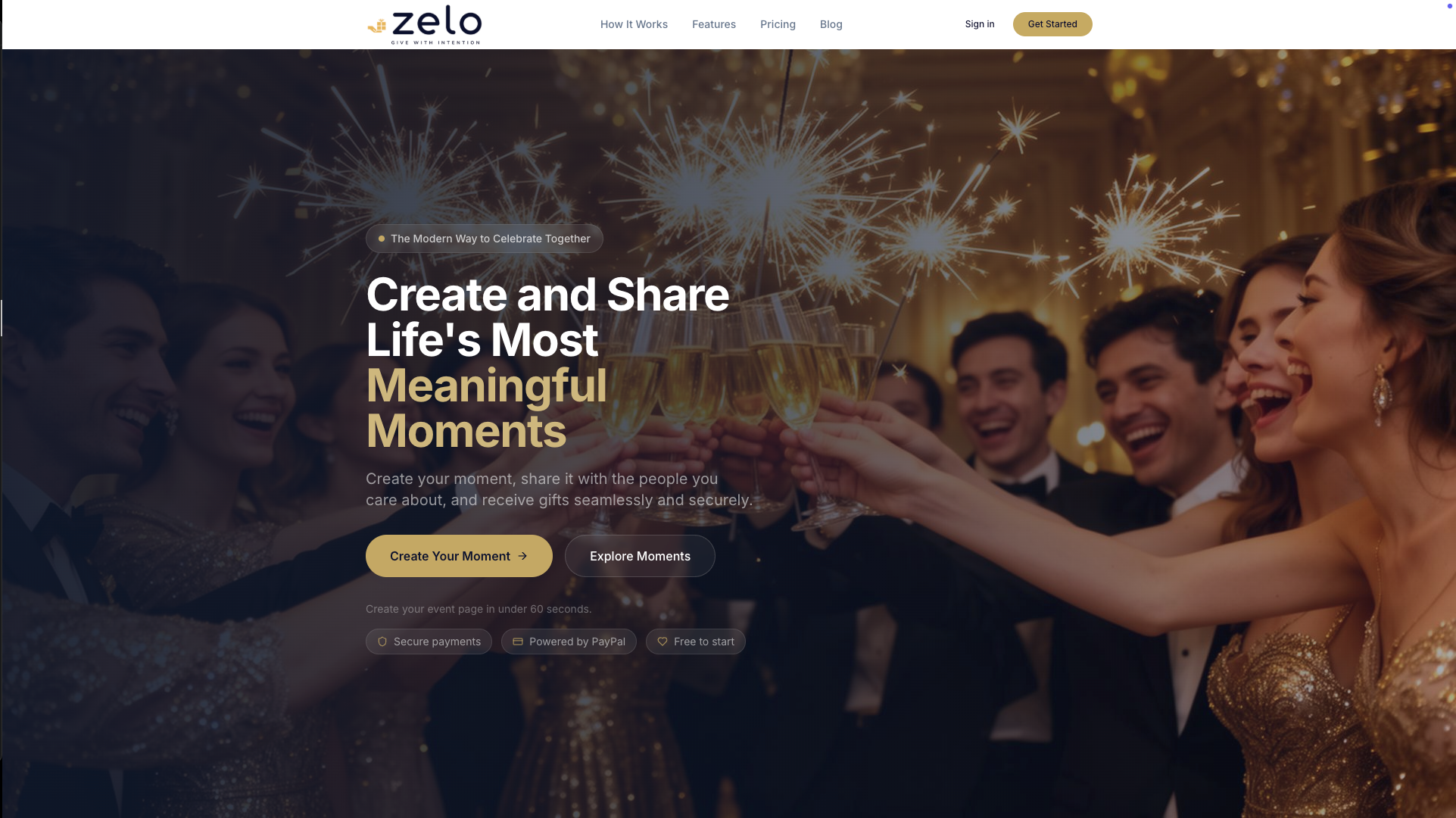
For birthdays, weddings, graduations, or any milestone, a Getzelo cash registry gives guests the flexibility to contribute toward a shared experience rather than guessing at a physical gift. The host sets the purpose, guests contribute through a secure checkout, and the funds go directly toward something meaningful. Group gifting for a shared trip, a dinner, or a class becomes simple to coordinate. Getzelo removes the friction from experience gifting so the focus stays on the memory being created.
FAQ
What is experience gifting?
Experience gifting is the practice of giving memorable activities or events, such as a cooking class, concert, or trip, instead of physical items. Research shows it produces greater lasting satisfaction than material gifts of equal value.
Why do experience gifts create more lasting happiness than physical gifts?
Experiences resist hedonic adaptation, the psychological process by which people quickly grow bored with new possessions. Memories of experiences also improve over time through rosy retrospection, making the gift more valuable as months pass.
Are experience gifts better than gift cards?
Experience gifts generally create stronger emotional connections and relationship impact than gift cards. Up to 19% of gift card value goes unredeemed, while experience gifts drive active engagement and shared memory creation.
How do I present an experience gift effectively?
Add a physical reveal such as a handwritten note, printed itinerary, or small symbolic item tied to the activity. This makes an intangible gift feel substantial and signals that the giver chose it with care.
What makes an experience gift go wrong?
The most common mistake is choosing an experience the giver would enjoy rather than one suited to the recipient. Mistargeted experiences and inflexible scheduling are the two leading causes of experience gift disappointment.
Recommended
Enjoyed the article? Share it!