A step-by-step gift contribution is the process of coordinating and collecting funds from multiple people toward a single shared gift for a milestone celebration. Done well, it removes the guesswork, keeps everyone on the same page, and produces a gift the recipient actually wants. Done poorly, it creates confusion, awkward follow-ups, and lost money. This guide covers the full gift contribution process from preparation through closing, with etiquette advice and practical tools for weddings, birthdays, baby showers, and every celebration in between.
What you need before starting a step-by-step gift contribution
Preparation is the single biggest factor in whether a group gift succeeds or stalls. Organizers should pick the gift or narrow to two or three options before collecting a single dollar. Asking people to contribute to a vague “something nice” creates hesitation and delays the entire process.

Once the gift is decided, identify every participant and the best way to reach them. A group text works for close friends. An email thread works better for coworkers or extended family. The channel matters because your contribution request will only be as effective as the people who actually see it.
What to prepare before you send the ask
- The gift or shortlist. Two or three specific options are better than an open-ended idea.
- The participant list. Know exactly who you are inviting to contribute before sending anything.
- A single collection platform. Using one platform preferred by the group avoids the “chase mode” that kills participation rates.
- A per-person amount. Round numbers like $25 each process faster and reduce confusion compared to stating a total group goal.
- A firm deadline. Pick an exact day and time, not a range.
| Preparation item | Why it matters |
|---|---|
| Gift selection | Reduces hesitation and speeds up contributions |
| Participant list | Prevents missed invites and awkward late additions |
| One collection platform | Eliminates confusion and lost funds |
| Per-person amount | Increases payment rate and simplifies messaging |
| Hard deadline | Drives timely action from contributors |
Pro Tip: Avoid platforms that require contributors to create an account. Extra steps kill participation. Choose a tool everyone already uses or one with a frictionless guest checkout, like Getzelo.
How to communicate a gift contribution request effectively
The message you send is the moment the whole process either gains momentum or loses it. Polite requests lead with gratitude, acknowledge that there is no pressure, and offer a warm, personalized reason for the gift. Framing the ask as contributing to a shared dream creates connection and reduces social discomfort.
A well-structured request covers five things in six lines or fewer: who the gift is for, what the gift is, how much each person is asked to contribute, when the deadline is, and how to send the money. Anything longer risks being skimmed or ignored.
What a strong contribution message includes
- Recipient and occasion. “We’re putting together a group gift for Maya’s wedding.”
- The specific gift. “We’re contributing toward a honeymoon fund she set up on Getzelo.”
- Per-person amount. “We’re asking for $30 from each person.”
- Hard deadline. “Please contribute by Friday, june 6, at 6:00 PM.”
- Payment method. Include the link or handle directly in the message.
- No-pressure close. “No worries at all if this doesn’t work for you.”
Etiquette concerns about asking for money instead of physical gifts are real but manageable. Requesting money feels inappropriate only when it sounds transactional. Framing the contribution as part of a shared milestone, not a cash demand, preserves social grace.
Pro Tip: Avoid phrases like “cash only” or “no gifts please.” Both sound transactional. Instead, write “we’re putting together something meaningful” and let the gift details do the work.
Step-by-step execution for collecting and managing contributions
With preparation done and the message sent, the collection phase begins. This is where most group gifts either succeed or fall apart, and the difference almost always comes down to consistency and follow-through.
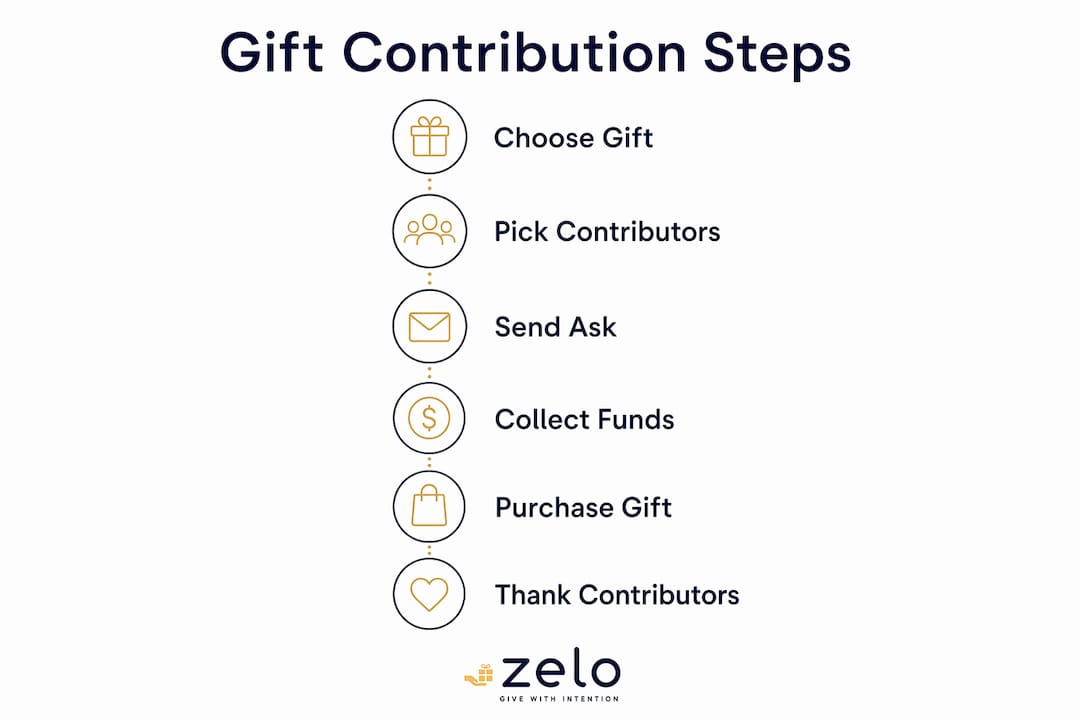
The collection process, step by step
- Open collection only after the gift is confirmed. Collecting money before the gift is decided creates refund headaches.
- Send the contribution request to all participants at once. Staggered messages create confusion about who has been asked.
- Track contributors privately. A simple spreadsheet or notes app list is enough. Public naming of non-payers damages group harmony and reduces participation.
- Send one reminder at the halfway point. One polite nudge is courteous. Multiple reminders feel like harassment.
- Follow up one-on-one for stragglers. A private message is far less damaging to relationships than a group call-out.
- Buy the gift promptly once funds are collected. Sitting on collected money erodes trust.
- Share a photo or confirmation with contributors. Closing the loop builds trust and makes contributors feel their money was used as intended.
- Handle any leftover funds transparently. Options include upgrading the gift, adding a gift card, or returning the excess proportionally.
| Step | Common pitfall |
|---|---|
| Gift selection | Collecting before deciding causes delays |
| Sending the ask | Staggered messages create confusion |
| Tracking | Public lists embarrass non-payers |
| Reminders | Too many reminders reduce goodwill |
| Purchasing | Delays after collection damage trust |
| Closing the loop | Skipping confirmation leaves contributors uncertain |
Pro Tip: Set your reminder calendar alert the moment you send the initial ask. Halfway-point reminders sent on time feel organized, not pushy.
What are the most common group gift contribution mistakes?
Even well-intentioned organizers run into problems. Knowing the most common pitfalls in advance makes them easy to avoid.
The biggest mistake in group gifting is juggling multiple collection platforms. Contributors get confused about where to send money, funds get split across accounts, and the organizer spends more time chasing payments than managing the gift itself. One platform, chosen upfront, solves this entirely.
Common problems and how to handle them:
- The recipient already has the gift. Pivot to a gift card for the same category or a fund toward an experience. Communicate the change to contributors before collecting.
- A contributor cannot pay. Respond graciously. Saying “no worries, we’ll just sign the card from everyone” preserves the friendship far better than chasing the money.
- Funding falls short. Adjust the gift to match what was collected, or ask if a smaller number of contributors want to increase their share voluntarily.
- Tax questions from contributors. Gifts to individuals are never tax-deductible under current IRS rules. Only qualified 501©(3) organizations qualify for deductions. Contributors should not expect a tax benefit from a personal milestone gift.
- Transparency concerns. Share a simple summary of total collected and total spent. This takes two minutes and prevents any suspicion.
The psychology behind meaningful gifts shows that contributors care about knowing their money made a difference. Transparency is not just good manners. It is what keeps people willing to participate in future group gifts.
Key takeaways
A successful group gift contribution depends on deciding the gift first, using one collection platform, setting a firm per-person amount and deadline, and closing the loop with contributors after purchase.
| Point | Details |
|---|---|
| Decide the gift first | Collecting money before choosing a gift causes delays and refund problems. |
| Use one platform | Multiple collection tools cause confusion and lower participation rates. |
| Set a per-person amount | Round numbers like $25 each process faster than stating a total goal. |
| Send one reminder | A single midpoint nudge is courteous; multiple reminders damage goodwill. |
| Close the loop | Share a photo or confirmation so contributors know their funds were used as intended. |
What I’ve learned from organizing group gifts the hard way
The part nobody talks about in any guide to gift contributions is the social weight the organizer carries. You are managing money, relationships, and expectations at the same time, often for someone you care about deeply. That pressure is real, and it is why so many group gifts end up being a stressful experience rather than a joyful one.
The single change that made the biggest difference in my experience was committing to one platform before sending a single message. The moment contributors have to ask “where do I send this?” the momentum dies. Pick the tool, test it yourself, and include the exact link or handle in the first message. No ambiguity.
The second thing I stopped doing was treating the deadline as flexible. Vague deadlines produce vague behavior. “By Thursday at noon” produces payments by Thursday at noon. The specificity feels almost aggressive at first, but contributors actually appreciate it. It tells them you are organized and that their contribution will be handled well.
The growing trend toward cash gifts has made this whole process more socially acceptable than it was even five years ago. People understand that a contribution toward a honeymoon, a new home, or a meaningful experience is often more valuable than a wrapped box. The etiquette has caught up with the reality. The organizer’s job now is simply to make contributing easy, clear, and worth doing.
— Rodrigo
How Getzelo makes the gift contribution process easier

Getzelo is built specifically for the kind of milestone celebrations this guide covers: weddings, birthdays, baby showers, graduations, and anniversaries. Instead of coordinating payments across multiple apps, hosts create a personalized event page where guests contribute directly toward a real goal. One link replaces the entire back-and-forth.
The platform handles secure payment processing, keeps contributions organized, and gives hosts a clear view of what has been collected. Guests contribute through a simple checkout with no account required. For anyone planning a group gift or a cash gift registry for a milestone event, Getzelo removes the friction that typically makes the process stressful. The result is a cleaner experience for the organizer and a more meaningful one for the recipient.
FAQ
What is a step-by-step gift contribution?
A step-by-step gift contribution is the structured process of selecting a gift, identifying contributors, collecting funds through a single platform, and closing the loop after purchase. The goal is clarity and efficiency for everyone involved.
How do you ask for money instead of gifts politely?
Lead with gratitude, name the specific gift or goal, state a clear per-person amount, and include a firm deadline. Framing the request as contributing to a shared milestone rather than a cash demand keeps the tone warm and appropriate.
What is the best way to track group gift contributions?
A private spreadsheet or notes list works well for most groups. Tracking contributors privately and sending one polite reminder at the halfway point balances courtesy with effectiveness without damaging group relationships.
Are group gift contributions tax-deductible?
No. Gifts to individuals are not tax-deductible under IRS rules. Only contributions to qualified 501©(3) nonprofit organizations qualify for a deduction.
How should leftover funds be handled after a group gift?
The most transparent options are upgrading the gift, adding a gift card, or returning the excess to contributors proportionally. Communicate the decision to all participants so everyone knows how the funds were used.
Recommended
Enjoyed the article? Share it!